
What a Guided New Zealand Hunt Actually Costs
Contents
Most guided New Zealand hunts run somewhere between US$7,000 and US$25,000. The biggest single variable is not the lodge or the number of days, it is the size of the animal you choose to take, because New Zealand outfitters price trophies by class.
Understand that one thing and the rest of the pricing makes sense.
We went through the published rates of the outfitters in this directory to write this. The figures below are aggregate ranges, not quotes, and they move with the season and the exchange rate. The only number that binds anyone is the one your outfitter puts in writing.
How the pricing is structured
There are two models, and knowing which one you are looking at matters more than any single figure.
Day rate plus trophy fee. You pay a daily rate covering guiding, accommodation and meals, then a separate fee for each animal, priced by species and size. Published day rates commonly sit around US$400 to US$650 per hunter per day one-on-one, and less per person when two hunters share a guide. Non-hunting companions are typically around US$250 a day.
All-inclusive package. A fixed price for a set number of days and a specified animal, with the trophy fee, guiding, lodging, meals and transfers built in. This is the more common model for international hunters and the easier one to budget against.
The mistake to avoid is comparing a day-rate quote against a package quote as if they were the same thing. A package that looks dearer may already include the trophy fee the other one leaves out.
What the animals cost
Ranges across the operators who publish, in US dollars, which is how most New Zealand outfitters price for the international market.
Red stag covers the widest span. A solid trophy stag commonly runs US$6,000 to US$10,000. The classes climb from there, and the very largest stags New Zealand produces reach between US$40,000 to US$50,000+, with the top animals usually priced on application. That top end is what New Zealand is famous for, and it is a small part of the market rather than the going rate.
Tahr typically US$4,000 to US$9,000, and a tahr hunt frequently needs an hour or more of flying. Operators who publish a helicopter rate quote around US$1,500 to US$2,000 an hour. Most quote flying case by case, so ask for it in writing with your package.
Chamois typically US$2,500 to US$8,000, with the same question to ask about the helicopter.
Fallow commonly US$1,900 to US$7,500 depending on class.
Sika broadly US$3,500 to US$7,500.
Rams and goats are modest, a few hundred to a few thousand, and are often added to a trip for very little.
Trophy classes, and upgrading in the field
This is the part worth understanding before you travel.
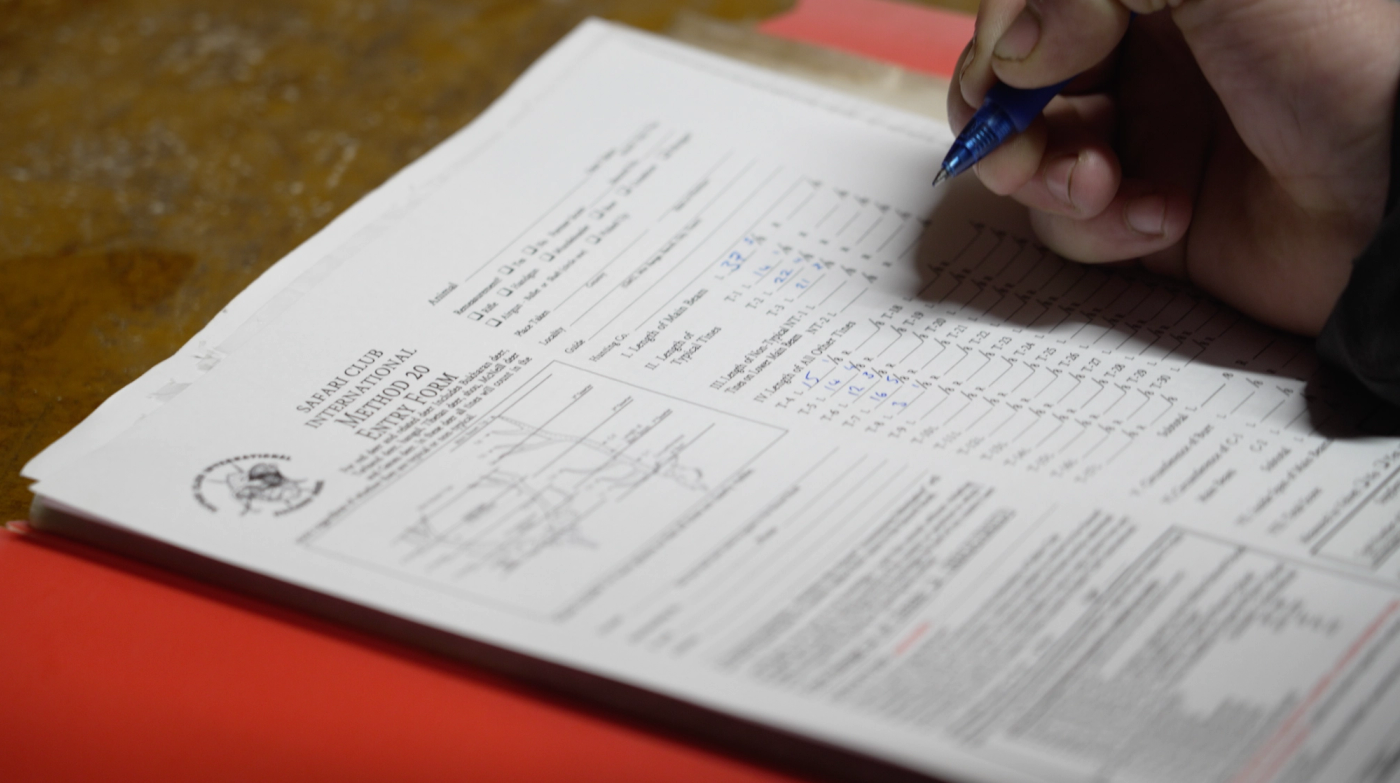
Most New Zealand outfitters grade trophy animals into classes, bronze through gold and upward, or by SCI score band. You book a class and you pay for that class. It is a fair system and it means you only pay for the animal you actually take.
What happens in practice is that hunters arrive, spend a few days looking at real animals, and find something better than the class they booked. Guides see this constantly. The country produces genuinely exceptional stags, and an animal that would be the trophy of a lifetime at home turns up in front of you on day three.
You can take it. You pay the difference between the classes, usually settled at the end of the hunt.
What that costs depends on where you are standing on the ladder, and this is the part worth knowing before you travel. At the classes most hunters actually book, a step up commonly runs US$2,000 to US$5,000. Above 500 SCI the ladder steepens sharply and single steps of US$8,000 to US$15,000 are normal. It is not evenly spaced, and it gets more expensive the higher you climb.
None of this is hidden. Operators publish their class ladders precisely so you know what a bigger animal costs. But it is worth being ready for the decision rather than meeting it cold with the stag standing in front of you.
Two practical things. Ask for the full class ladder in writing when you book, not just the price of the class you are booking, so you know exactly what an upgrade would cost. And decide your ceiling before you leave home, and tell your guide what it is.
What sits outside the hunt price
Helicopter time for alpine tahr and chamois, commonly excluded. Operators who publish a helicopter rate quote around US$1,500 to US$2,000 an hour. Most quote flying case by case, so ask for it in writing with your package.
When a quote says DOC fees are excluded, this is what it means: trophy fees of NZ$150 plus GST for a tahr and NZ$100 plus GST for a chamois, both payable on a recovered animal, and NZ$1 plus GST for a deer. On a helicopter-assisted hunt on public conservation land there is also an activity fee of NZ$150 plus GST per client per day.
There is a reason helicopter-assisted tahr hunting is priced the way it is. For every trophy taken under an aerially assisted permit on public land, the operator must cull five female or juvenile tahr at DOC's direction. That work is a real cost carried by the operator and recovered in the price of the hunt.
As of August 2026: aerially assisted trophy hunting permits are under review by DOC. Applications for new permits are suspended, and DOC expects to invite them by 30 September 2026, though it has not committed to that date. The 2022 to 2025 permits run to 31 August 2026, but operators who gave the required notice may keep working under their existing permits until new ones are decided, so hunts are not expected to stop. Fees and blocks for 2027 may differ from the current round. If you are booking a helicopter-assisted hunt for 2027, ask your outfitter whether their permit is current for your dates.
Trophy export and taxidermy, nearly always excluded. Allow around US$1,700 to US$3,000 to get trophies home to the United States, and around six months for them to arrive. Our trophy export guide breaks that figure down line by line.
Extra animals taken in the field, charged as new fees.
Flights, insurance, and gratuities. Tipping is customary on a guided hunt here, even though New Zealand is not otherwise a tipping culture.
Currency
Most New Zealand outfitters price in US dollars for the international market. Some price in New Zealand dollars, and a few publish a bare dollar sign without saying which. The difference between US$8,000 and NZ$8,000 is large, so confirm the currency in writing, and ask whether New Zealand's GST is included or added.
What to budget
Single species, mid-range trophy: roughly US$7,000 to US$12,000, before travel and trophy export.
Multi-species trip (the classic stag, tahr and chamois combination): roughly US$15,000 to US$25,000.
Trophy export: add US$1,700 to US$3,000, and six months.
Then allow yourself a little room, because a lot of hunters go home having taken a better animal than the one they booked.
Sources: published rate cards and trophy fee schedules of the outfitters listed in this directory, gathered July 2026; class ladder figures compiled from the published trophy class ladders of 22 New Zealand outfitters, July 2026. DOC concession charges (tahr NZ$150, chamois NZ$100, deer NZ$1, all plus GST, and the AATH activity fee) from the Department of Conservation's published AATH permit template. Helicopter figures are the operator-published rates we could find; most operators quote flying case by case. Accurate to the best of our knowledge as of August 2026.