
Trophy Export from New Zealand to the USA: Cost, Time, and How It Works
Contents
- How much does it cost to export a trophy from New Zealand to the US?
- How long does it take?
- Dip-and-pack vs a finished mount: what's the difference?
- Which airline actually carries trophies out of New Zealand?
- Do you need a CITES permit?
- Can you do it yourself, or do you need an expediter?
- Have the trophy conversation before the hunt
Getting your trophies home from New Zealand usually runs somewhere between US$1,700 and US$3,000 for one or two stags, and you should allow about six months. It's the cost people most often overlook, and the timeline surprises almost everyone. None of it is difficult once you know how it works. Most operators quote it per shipment rather than publishing a price, because the cost genuinely depends on what you shoot and what you want done with it, so you will not find a number until you ask for one.
Here is the whole thing in one place: what it costs, drawn from several operators, how long it really takes, the airline situation that gets misreported, and the questions that get you a straight answer before you book.
How much does it cost to export a trophy from New Zealand to the US?
For a typical hunter taking one or two stags and a couple of smaller trophies home, the all-in cost lands around US$3,000 before optional extras. That figure is consistent across several operators' published rates and a real expediter invoice posted by a US hunter, so it is a reliable planning number rather than one operator's quote.
Here is where that comes from, line by line. These are market ranges gathered across multiple New Zealand operators and expediters. Treat them as a guide, then get your own outfitter's current numbers in writing, because freight rates and trophy size move them.
- Trophy prep: roughly US$190 to US$320 per trophy. Cleaning and whitening a skull for a European mount, or prepping a shoulder cape. A full shoulder cape or full-body cape costs more than a bare euro skull.
- Export paperwork and admin: an MPI export certificate is NZ$50, plus roughly US$100 to US$220 in expediter admin per shipment.
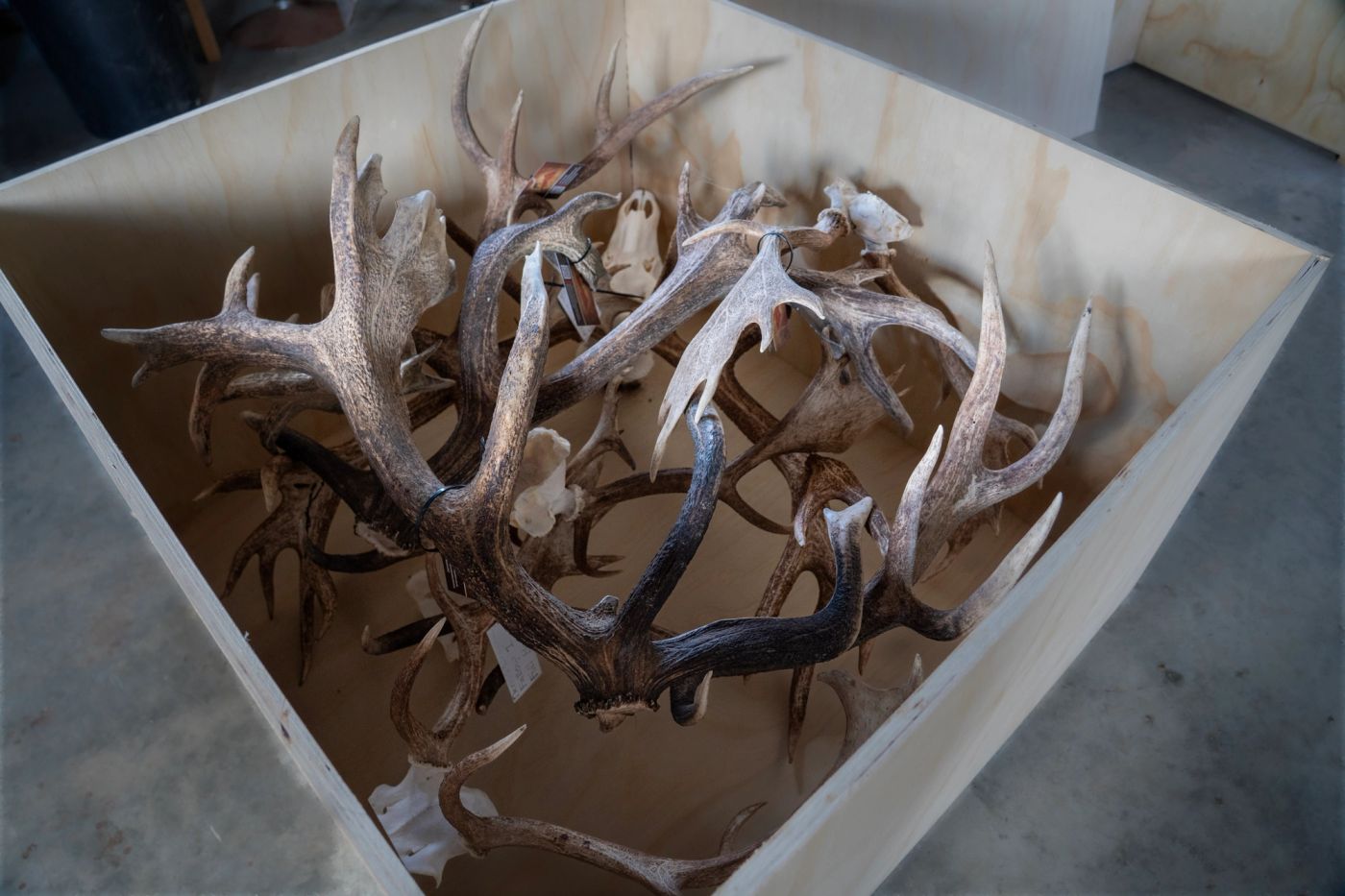
- Custom crate: roughly US$250 to US$500, built to fit your specific trophies. Bigger trophies, bigger crate, higher cost.
- Air freight to a US port of entry: roughly US$1,000 to US$1,800 for one or two stags plus smaller trophies, to a US Fish and Wildlife designated port.
- US customs broker: roughly US$300 to US$500 to clear the shipment and forward it to you or your taxidermist.
Optional extras add up quickly: both a euro skull and a shoulder cape from the same animal, a full-body cape, or velvet, which needs specialist curing and adds both cost and weeks. Decide what you actually want mounted before you pay to preserve things you will not use.
How long does it take?
This is the piece that genuinely catches people out. Allow about six months from your last day on the hill to a crate on your doorstep.
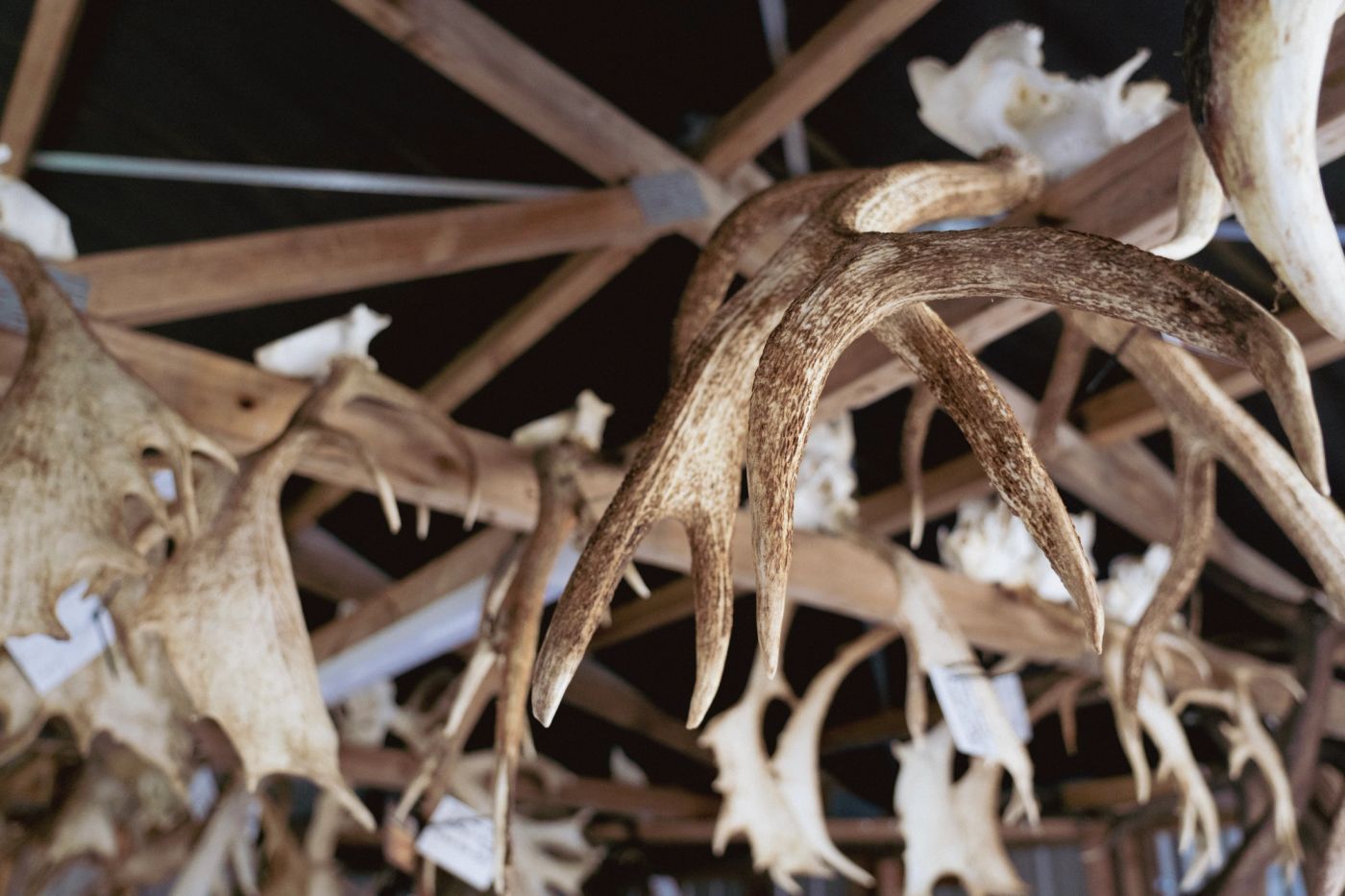
Two things drive it. The New Zealand end takes time on its own: prepping, drying, the export certificate and crating all happen before anything flies. Then the freight and clearance leg takes more. A simple skull-and-antler shipment moves faster than a finished mount with build time and crating.
None of this is a problem if you expect it. A good outfitter or expediter keeps you posted at each stage instead of leaving you wondering where your stag is.
Dip-and-pack vs a finished mount: what's the difference?
This single decision shapes your cost, your timeline and how much work waits for you at home.
Dip-and-pack means the hide is professionally prepped for export, the skull and antlers cleaned, and everything packed and shipped so your own taxidermist finishes the mount in the US. It is best if you already have a taxidermist at home, and it keeps the freight footprint smaller.
A finished mount done in New Zealand arrives ready to hang, but costs more, takes longer because of build time, and makes for a bigger, pricier crate. A bare European mount sits in between and is the simplest to ship.
Which airline actually carries trophies out of New Zealand?
This is the question people get wrong, so here is the accurate version.
Air New Zealand Cargo carries New Zealand game trophies. Its prohibited list is the African Big Five: lion, leopard, elephant, rhino and buffalo. New Zealand species like red stag, tahr and chamois are not CITES listed, so they ship normally.
The reason you hear "Air New Zealand is the only option" is that most other international carriers have banned hunting trophies across the board. So Air New Zealand ends up being the practical line out of the country, not because your animals are embargoed, but because the alternatives will not carry them. The real constraint is backlog, which is the main reason to allow six months. Carrier policies shift, so your outfitter or expediter will know the current picture.
Do you need a CITES permit?
For the usual New Zealand game, no. Red stag, tahr, chamois, fallow and the rest are not CITES listed, so the standard trophies do not need a CITES permit. It is still a smart habit to check your specific animal by its scientific name, because anything that is CITES listed needs a permit before it crosses a border. Your expediter will know.
Can you do it yourself, or do you need an expediter?
You can do parts of it yourself, and some hunters carry a euro skull home as checked luggage to skip freight entirely, but most people use an expediter or let their outfitter arrange one. A broker or expediter handles the export certificate, crating, freight and US clearance as one chain, which removes most of the border headache, especially for a first-timer. It costs more than doing it yourself, and it is usually worth it.
Have the trophy conversation before the hunt
The best move you can make is to have the trophy conversation before the hunt, not after. Ask every operator you are weighing up:
- What do you charge for trophy prep, and what is included?
- Who handles the export paperwork, crating and freight, and what do they currently charge?
- Realistically, door to door, how long am I looking at right now?
- Will I get updates while my trophies are in the pipeline?
Most of these will get you a range rather than a fixed price, and that is the honest answer. Freight rates move, crate sizes depend on what you end up shooting, and no operator can quote a firm figure in January for a crate that gets built in April. What you are after is a realistic bracket and a clear picture of who is handling which stage, so nothing arrives as a surprise in June.
Cost figures are market ranges gathered from several New Zealand operators' and expediters' published rates and a hunter-posted expediter invoice, as of June 2026, with the MPI export certificate fee from official sources. Freight rates, airline policies and individual pricing change, so always confirm current numbers with your own outfitter or expediter before you book. Sources: Ministry for Primary Industries (export certificates), US Fish and Wildlife Service (import declarations), Air New Zealand Cargo (prohibited items), and published operator and hunter-reported figures.