Red Stag hunting in New Zealand
Season The roar (rut) runs late March–April and is the classic time to hunt free-range stags.
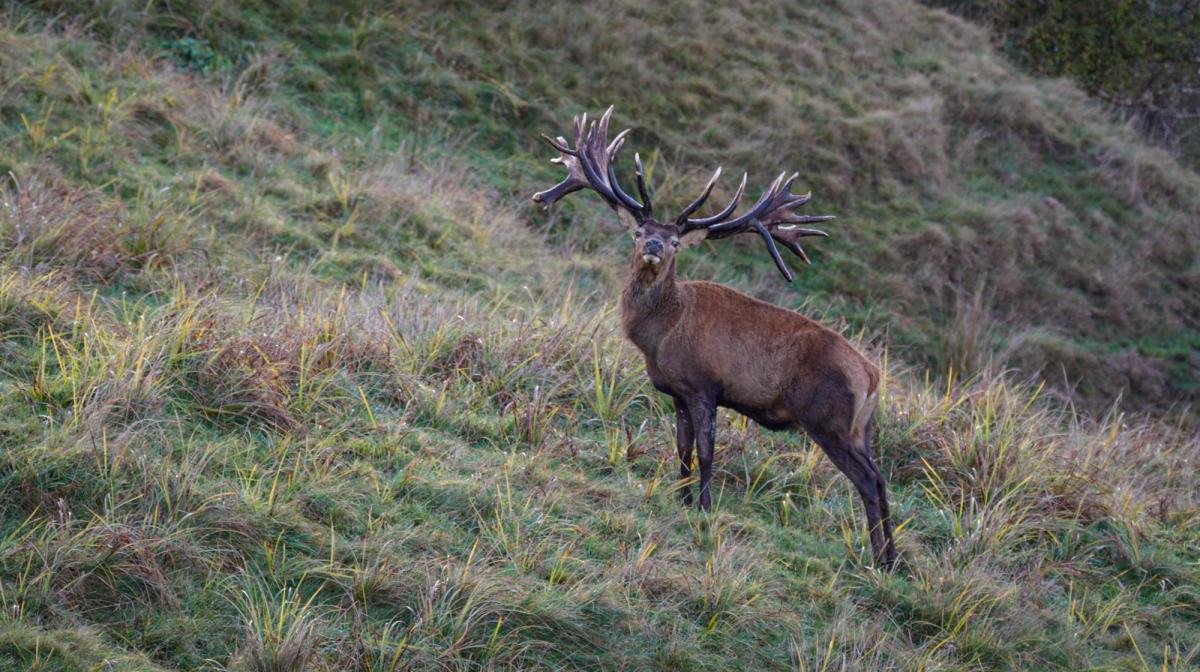
Red stag is the animal most hunters picture when they think of New Zealand: a heavy, many-tined stag roaring in mountain or bush country. You can hunt them free-range on wild public and private land, or on managed estates bred for the largest heads, and the classic window is the autumn roar (late March into April) when the stags are vocal and far easier to find.
Frequently asked questions
- When is the roar, and is it the best time to hunt red stag?
The roar is the red deer rut, and it is the classic time to hunt a stag. It runs from late March through April, with the stags most vocal in the middle two weeks, often the first half of April. During the roar the stags bellow to gather hinds and challenge rivals, which makes them far less cautious and far easier to locate than at any other time of year. It is New Zealand's answer to the elk rut, and for many visiting hunters it is the whole reason they come. The roar books out early, so lock your dates well ahead. Stags are huntable outside the roar too: the wider season runs roughly February to August while they are in hard antler, and some hunters prefer the quieter, more deliberate stalking of the post-roar period from late April into May.
- How much does a red stag hunt cost?
Costs vary with the size of the stag you are after and the operator, so treat these as planning ranges and get a written quote. Most guided packages are priced in tiers by the stag's final trophy score. As a broad guide across New Zealand operators, a representative trophy stag hunt of around five days, all-inclusive of guiding, lodging, meals and field preparation, commonly runs somewhere from about US$7,000 to US$10,000 for a mid-range trophy, rising into the teens of thousands for larger, higher-scoring animals. Smaller management or bronze-class stags can be taken on a lower trophy fee, sometimes from around US$3,000 on a trophy-fee basis. The hunt price usually excludes international and domestic flights, trophy export and taxidermy, and gratuities, so budget those separately. Always confirm exactly what a package includes before you book.
- What is the difference between free-range and estate red stag hunting?
Estate hunts take place on large private properties enclosed by boundary fencing that complies with New Zealand regulations. The land is managed for genetics and age, so estates can produce the very largest, most complex trophy heads, and shot opportunity is more predictable. Free-range hunts take place on unfenced private or public land, often large parcels of hill and mountain country, where the deer roam wild. Free-range trophies are typically more modest in score, the hunting is physically harder, and nothing is guaranteed, but for many hunters that is exactly the appeal. Interestingly, a guided free-range hunt is often priced similarly to a baseline estate trophy hunt, because the free-range hunt demands more time, ground and access arrangements from the operator. Which is right for you is a matter of what you value: the challenge and openness of free-range, or the trophy potential and predictability of an estate. Either way, ask the operator directly which their ground is.
- How are red stag trophies scored?
Two systems are used in New Zealand. Safari Club International (SCI) is the international standard and is addition-based: it totals beam length, tine lengths, circumferences, spread and point count with minimal deductions, which rewards the complex, many-pointed crowns New Zealand red stags are known for. The Douglas Score is New Zealand's traditional system and is closer to Boone and Crockett thinking, valuing balance and symmetry and applying deductions when the two sides differ, so it usually yields a lower number than SCI for the same head. Most operators price their hunts by SCI score band. A mature trophy stag typically carries somewhere from sixteen to more than twenty points. When you compare quotes, check which system the operator is quoting, because the same animal scores differently under each.
- How big do red stags get, and how do they compare to elk?
A mature red stag stands roughly 1.1 to 1.3 metres at the shoulder and weighs in the region of 95 to 215 kilograms, with an average around 180 kilograms or so. They are smaller in body than a North American elk but carry dense, many-tined antlers rather than the long sweeping beams of an elk, and they are widely considered the most vocal and aggressive member of the deer family during the rut. New Zealand's red stags descend from English and Scottish park stock released from the 1860s, and on managed estate ground decades of genetic management have produced some of the largest red stag trophies in the world. For a visiting hunter familiar with elk, the roar will feel like a more intense, closer-quarters version of the rut you know.
- Do red stags shed their antlers?
Yes, like all deer, red stags cast and regrow their antlers each year. They drop the old antlers in spring (around September to November in New Zealand) and grow a new set over summer covered in velvet, which they fray off against trees and rub clean by around January to March. This is why the hunting season is built around the hard-antler months from late summer through winter, roughly February to August, and tails off in August as the older stags begin to drop their antlers again.