When to Hunt New Zealand: The Roar, the Rut, and Why the Season Is What It Is
Contents
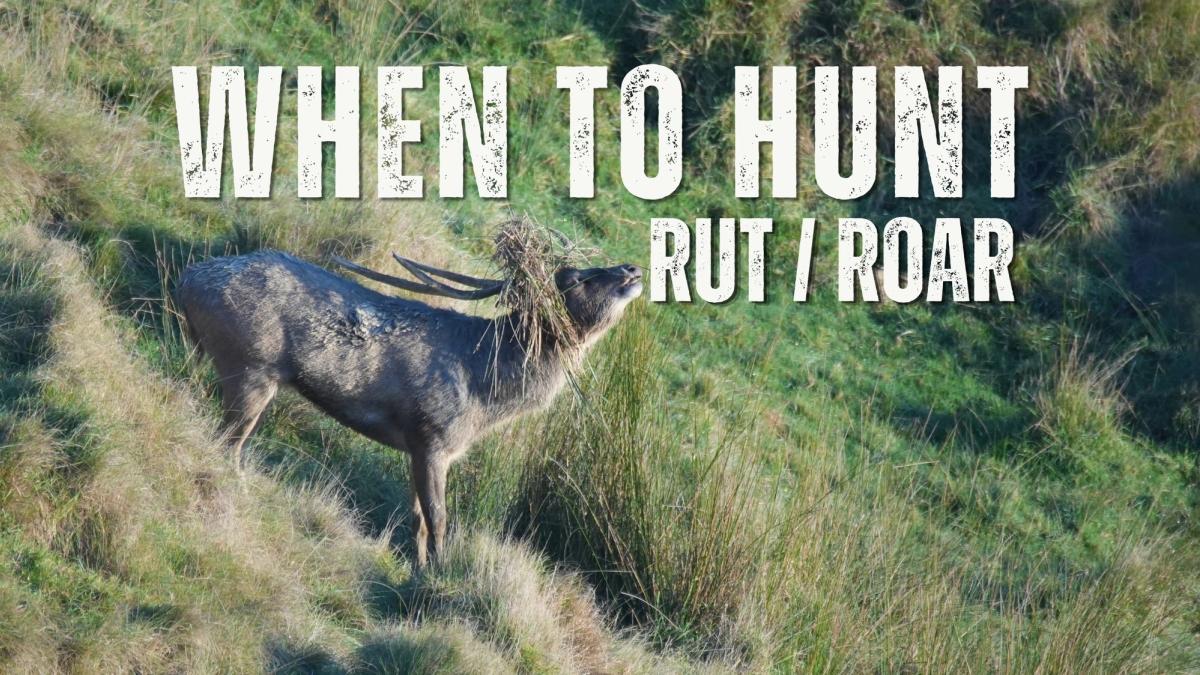
The red stag roar runs from mid-March to the end of April, and that is the window most international hunters come for. Tahr and chamois are at their best later, from May into July, when the rut is on and the winter capes are prime.
But the more useful thing to understand is why the New Zealand season starts and ends when it does, because it is not a regulation. New Zealand has no government-imposed season for big game. The calendar is set by the animals themselves, and specifically by their antlers.
The season is bracketed by antlers at both ends
Stags carry velvet through the summer while the antler is still growing. It is soft, it is not a trophy, and there is nothing to hunt. Red stags and elk strip that velvet in late January, with sika and fallow following through February.
At the other end, they cast. From around mid-August stags begin dropping their antlers, and this is the part worth knowing: the biggest stags drop first. The really big heads can go a couple of weeks ahead of the rest, while smaller stags hold their antlers into September.
So the trophy window closes from the top down. If you are chasing a big stag, August is a gamble, and the bigger the animal you want, the earlier that gamble starts.
That is the whole guided season: roughly February through July, with August the tail end. Everything else is detail inside those brackets.
Month by month
February. Red stags and elk are in hard antler by the third week, with sika and fallow following. Pre-roar. The stags are not vocal yet, but they are visible, feeding hard and behaving predictably, and you can look over a lot of animals in the open before the rut scrambles their routine. Warm weather, and a good month to see the country either side of the hunt. Worth knowing that the warm months come with long days and animals that move at the edges of them, so February through April means early starts and late finishes. If a five o'clock alarm and a nine o'clock dinner is not your idea of a holiday, the winter months are shorter and gentler.
March. The roar begins mid-month and builds. Toward the end of March it is fully on, and this is the beginning of the period New Zealand is famous for.
April. Peak. The red deer roar continues strongly through the month, the sika rut hits its stride, and the fallow rut runs through April with the bucks grunting and holding rut pads. If you want the classic New Zealand experience, this is the month. It is also the busiest and the most expensive, and it books out furthest ahead.
May. The red roar tails off and stags move away from the hinds. But the South Island comes into its own: the chamois rut starts, the tahr rut begins from late May, and the alpine capes are coming into prime condition.
June. Tahr rut peaks. This is the month for a winter-cape bull. Chamois are still rutting. Red stags are grouping up in bachelor mobs and feeding in the open, which makes them findable again in a different way. Expect snow in the alps, and understand that this works in your favour: snow pushes tahr and chamois down off the tops onto ground you can reach, which is part of why winter is the alpine season.
July. Tahr and chamois still excellent, capes at their best. Red and sika stags come back out into the open now that they have lost interest in the hinds, and a lot of guides quietly rate July as one of the best months to pick out a big head.
August. Last chance for a big stag before the antlers go. Tahr and chamois capes still good.
By species
Red stag. Hard antler from late January. The roar runs mid-March to the end of April, and that is when they are most vocal and most findable. Hunt them pre-roar in February for predictable feeding behaviour, in the roar for the experience, or in the winter months when they come back into the open. Antlers start dropping mid-August, biggest first.
Sika. Rut on essentially the same timetable as red deer, mid-April to mid-May. They are the hardest animal in New Zealand to hunt: bush-dwelling, secretive, and famously difficult to see. During the rut they give themselves away with a high whistle rather than a roar. Outside the rut they are extremely hard work.
Fallow. The rut is April. Bucks become vocal with a deep croaking grunt, hold territory, and are far more exposed than at any other time. Outside the rut they go quiet and largely nocturnal, so April is genuinely the month for a trophy buck.
Tahr. Huntable year-round, but the rut runs from late May to mid-July, and the winter capes are prime from roughly May through August. Both point at the same window, which is why winter is the tahr season even though the animal is always there. Helicopter-assisted trophy hunting on public conservation land runs under permits that close on 31 August, with most blocks opening on 10 February and a handful not until later in the autumn. Access to some remote West Coast locations is balloted.
Chamois. Also huntable year-round, with the rut across May, June and July and the best capes in the same winter window. Alpine, sharp-eyed, and a glass-and-stalk animal in serious country.
The honest counterpoint: the roar is not automatically the best time
Every outfitter's website tells you to come for the roar, and there is a good reason for that. Standing in a valley while a stag roars back at you is one of the great experiences in hunting, and it is why most people make the trip.
But it is worth hearing the other view, because some experienced guides prefer the shoulders. During the rut, stags are unpredictable. They are moving with hinds, covering ground, and an animal you glass one evening may be two valleys away the next morning. Pre-roar in February and post-roar in the winter, stags feed on a routine, hold to country, and can be patterned. That makes it easier to select a specific animal and go and get it.
There is no right answer here. If you want the sound and the theatre, come in the roar. If you want the best odds on a specific stag, and a quieter, cheaper, less-booked trip, the shoulders are worth a serious look. Ask your outfitter what they honestly recommend for what you want, and a good one will tell you.
Building a trip around two species
The calendar rewards planning. The classic combinations fall out of it naturally.
A March or April trip gives you the red deer roar at its peak, and can pick up sika or fallow in the same window. Chamois and tahr are possible before deep winter sets in.
A May, June or July trip targets tahr and chamois at their best, with prime winter capes, and still gives you a red stag out in the open in the post-rut.
A hunter who wants a big stag and an alpine animal has to choose which one gets the peak window, or stay long enough to catch both, which is a real conversation to have with your outfitter early rather than late.
Frequently asked questions
When is the red stag roar in New Zealand?
The red deer roar typically runs from mid-March to the end of April, peaking through late March and April. This is when stags are most vocal and most findable, and it is the busiest and most expensive part of the season.
When is the best time to hunt tahr?
The tahr rut runs from late May to mid-July, and winter capes are at their best from roughly May through August. Tahr can be hunted year-round, but winter is when the bulls are active and the capes are prime. Snow through the winter months pushes alpine animals onto lower, more reachable ground, which is part of why winter suits the hunt as well as the trophy.
When do red stags lose their antlers?
Stags begin casting antlers from around mid-August, and the largest stags typically drop first, with smaller stags holding into September. This is what closes the trophy season, and it is why August is a gamble if you are after a big head.
Does New Zealand have a legal hunting season?
There is no government-imposed big game hunting season in New Zealand. The season is set by biology rather than regulation: stags are in hard antler from roughly February to August, and outside that window there is no trophy to take. Tahr, chamois, goats, rams and pigs can be hunted year-round.
When is the fallow rut?
April. Fallow bucks become vocal and territorial through the month, which makes them far more visible than at any other time of year.
Is it worth coming outside the roar?
Yes, depending on what you want. February pre-roar and the winter months both offer stags that are feeding predictably and easier to pattern, at a quieter and often cheaper time of year. The roar is the experience; the shoulders are frequently the better hunting.
Sources: Department of Conservation and the New Zealand Game Animal Council for species behaviour, rut timing and balloted access. Rut dates are typical ranges and shift year to year with conditions, so confirm current timing with your outfitter. Accurate to the best of our knowledge as of August 2026.