
Bow Hunting in New Zealand: What You Need (and Don't) to Bring Your Bow
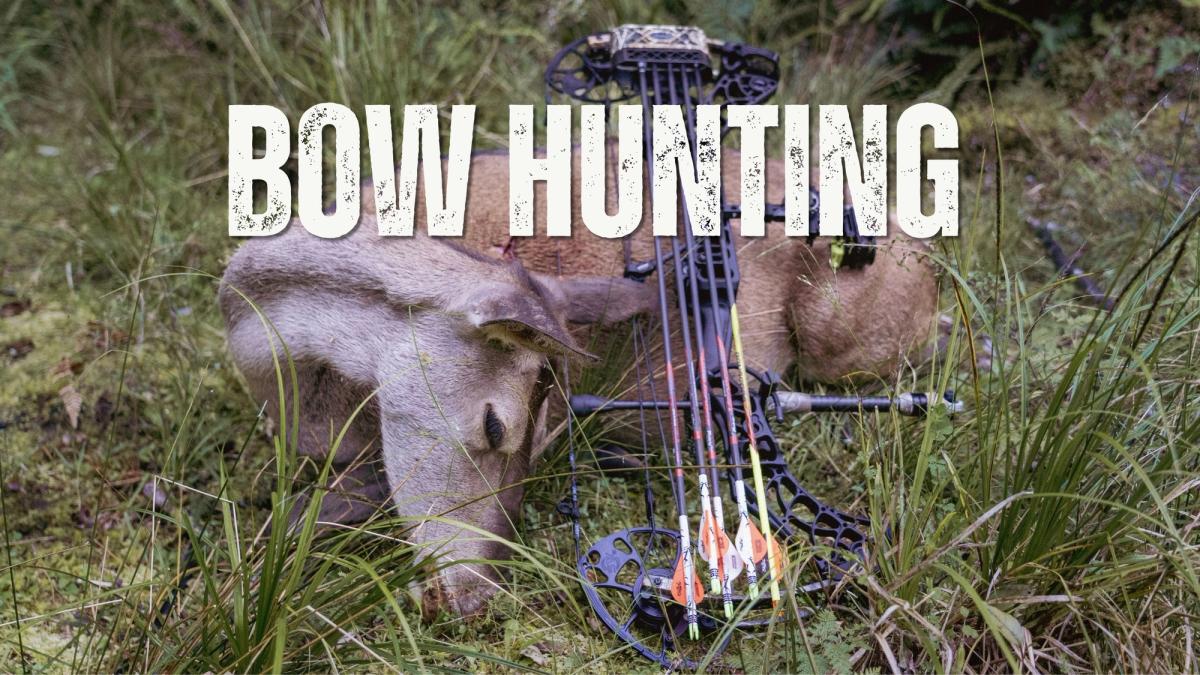
Bow Hunting in New Zealand: What You Need (and Don't) to Bring Your Bow
Here is the thing almost no page states clearly in one place, so we will put it first: you do not need a firearms licence to bow hunt in New Zealand, but if you hunt on public conservation land you still need a Department of Conservation permit. Those are two separate things, and confusing them is the most common mistake visiting bow hunters make.
The bow itself is easy. Archery gear is not a firearm in the eyes of the law, so there is no licence to bring it in, no import permit, and nothing to wait on. You declare it at the border, clear biosecurity, and you are hunting. The permit question is about *where* you hunt, not about the bow.
Is bow hunting legal in New Zealand?
Yes. Hunting with a bow is legal, and unlike a rifle it needs no firearms licence at all. Compound bows, recurves, longbows and crossbows are all legal to own and to hunt with. New Zealand does not licence archery equipment the way it licences firearms.
Can you hunt with a bow in New Zealand? The rules that apply
A few practical rules matter once you are here.
For deer-sized game, you want enough bow to kill cleanly. On public conservation land DOC sets the minimum at a 35 lb draw weight, and it is a rule, not a guideline. In practice most hunters chasing red stag are pulling far more than that, but if you are travelling with a lighter setup, check it is up to the animal.
The four legal bow types are the ones you would expect: compound, recurve, longbow and crossbow. On public conservation land your gear also has to meet DOC's minimum criteria: broadheads with at least two opposing blades cutting 22 mm or more, non-barbed hunting arrows only, and nothing on the arrow but the arrow. Crossbows carry their own list, including a 150 lb minimum draw and a working mechanical safety. On private land and estates the operator's rules apply instead. The bow you hunt with at home is almost certainly fine here; the broadheads in your quiver are worth a check.
permit nuance, properly explained
This is the part worth getting right, because it decides whether your hunt is legal.
On public conservation land, all hunting runs under a Department of Conservation permit, whether you carry a rifle or a bow. The permit is free or low cost, but it is required, and it can carry conditions. If any part of your hunt is on public land, get the permit and read its conditions, or have your outfitter confirm them, before you assume your setup is fine.
On private land and game estates, you hunt under the landowner's or operator's permissions, and no DOC permit applies. This is where most guided bow hunts happen, and it is the simplest situation: your guide has the access sorted, and you turn up and hunt.
So the clean version: no firearms licence for a bow, ever. A DOC permit only if you are on public land. Most guided hunts are on private land, where the operator handles access for you.
Bringing the bow into the country
Two things matter when you land.
Declare your archery gear when you arrive. New Zealand replaced the old paper arrival card with the New Zealand Traveller Declaration, which you complete online before you fly, up to 24 hours before your trip starts. It is free and takes about ten minutes. Watch out for third-party sites charging a fee to fill it in for you, because officials have had to warn travellers about them. Use travellerdeclaration.govt.nz and nothing else.
Then biosecurity, which New Zealand takes seriously. Your boots, gaiters, pack and any field clothing have to be properly clean: no soil, no seeds, no plant matter in the tread. Dirty gear can mean delays, a cleaning fee, or losing the item. Wash and dry everything at home, and pack your boots near the top of the bag so they are easy to show at the counter.
Flying with a bow
Your bow travels as checked baggage in a hard case. Airlines treat bows as sporting equipment rather than weapons, so the rules are about protecting the gear, not clearing security. Case size limits and fees vary by airline, so check your carrier's sporting-equipment policy before you fly.
Pack broadheads so the blades are covered. Most hunters keep field points and broadheads in the case and leave them off the arrows until camp.
Can tourists and US citizens hunt in New Zealand?
Yes. New Zealand welcomes visiting hunters, and a large share of guided bow hunts are booked by US and other international hunters. There is no nationality barrier. You book with an outfitter, sort the permit if you are on public land, bring or borrow your gear, and hunt.
Quick answers
• Do you need a licence to bow hunt in New Zealand? No firearms licence for a bow. A DOC permit is required only on public conservation land.
• Is it legal to own a bow and arrow in New Zealand? Yes. Compound, recurve, longbow and crossbow are all legal.
• What draw weight do you need? DOC's minimum on public conservation land is 35 lb for deer-sized game; most stag hunters pull well above that.
• Can you bring a hunting rifle instead? Yes, but a rifle needs a visitor firearms licence and an import permit, which a bow does not. See our visitor firearms licence guide.
Sources: Firearms Safety Authority (firearms licence scope); Department of Conservation (hunting permits and conditions); New Zealand Customs (arrival declarations); Ministry for Primary Industries (biosecurity). Accurate to the best of our knowledge as of June 2026. Confirm live requirements before you travel.